What is “Rural”?
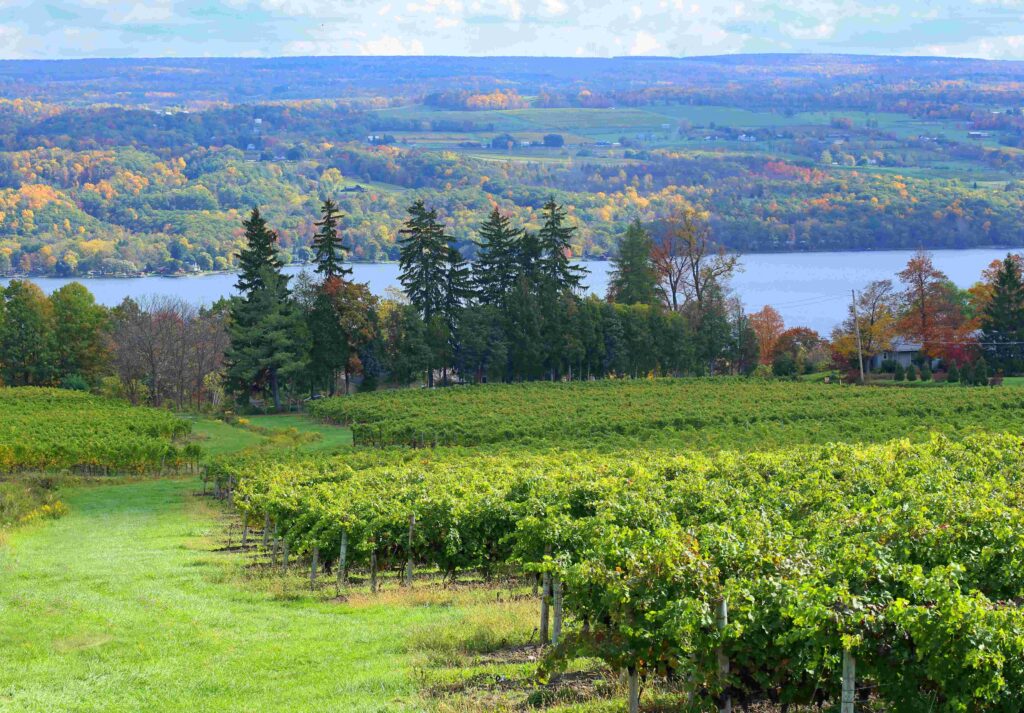
Throughout the twentieth century in the US, it was fairly common for families who lived in a city, whether large or small, to take an afternoon drive in the country. In many places, the countryside held an appeal, with picturesque landscapes of forested hillsides, fields of corn, thriving vineyards, or lush green pastures with grazing horses or cows. There might be burbling streams, majestic waterfalls, or beautiful lakes reflecting a sunny blue sky. If you stopped for a picnic, you could hear birds singing, and try to identify which ones were hopping from tree to bush or begging for your sandwich crusts. You might stop at a farmstand to pick up ears of fresh sweet corn on the way home. If you were out until dusk and drove home with the windows down, you could hear crickets or katydids, catch glimpses of lightning bugs, and maybe hear a hooting owl. That’s what it was like where I grew up.
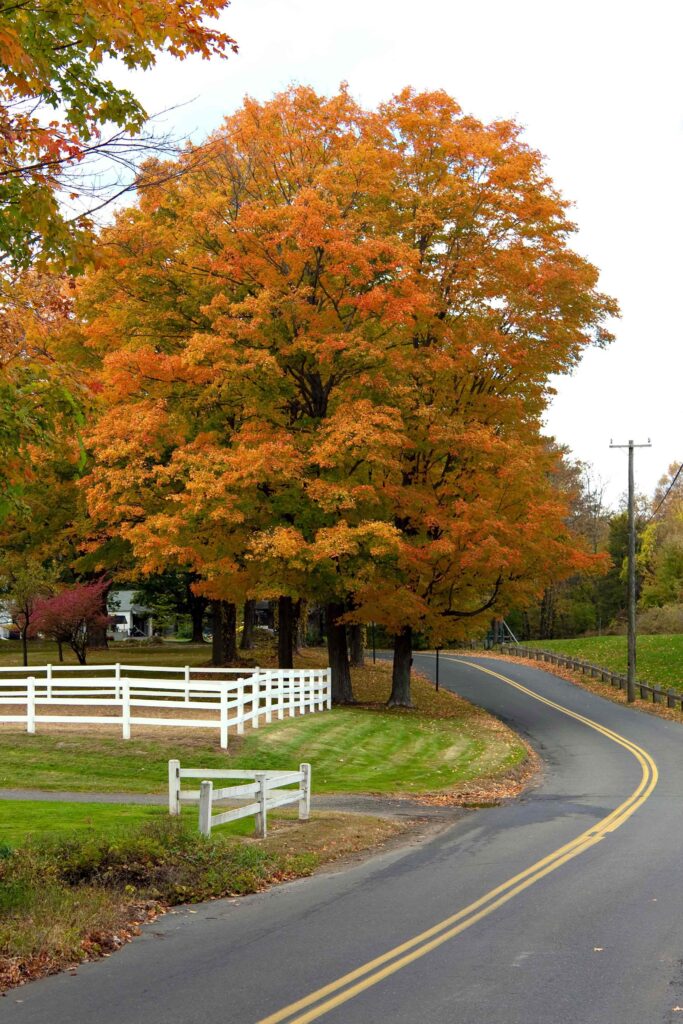
If you’re familiar with that kind of countryside, you probably understand its allure. What I have come to realize is that “country” in the context of “countryside” means different things to different people, and it can be vastly different depending on location and climate. I grew up on the edge of a small city of about 40,000 people. Our road began where “streets” became “roads” and where sidewalks had ended. About a quarter of a mile out, farmhouses were becoming houses to be renovated for new families, and several years before, houses had been built in that quarter-mile space where there once had been fields and orchards. It wasn’t city, it wasn’t quite country, and it certainly was not what we now think of as suburbs. It was a transition zone, and it was wonderful. Our house was the last one before what might be considered “countryside” began. We enjoyed the benefits of city water and sewage lines, though I don’t know if they extended further. Our house was surrounded by fields that bellied up to a creek, and across the creek, around the bend, and up the hill were the farms – a dairy farm and several horse farms. It was countryside, but I wouldn’t call it “rural”, and only the family with the dairy farm actually grew crops.
By my definition, “rural” is beyond the reach of nearly all city utilities. No city water, no hookup to a city sewage system, no natural gas line. Being connected to the power grid for electricity is likely, but optional – either because there is no power grid to hook up to, or because the property owner chooses not to. Options for heat generally involve propane delivery or woodstoves, or pellet stoves in recent years. Oil and coal furnaces mostly have been replaced by now with cleaner options – propane most likely. Water either comes from a well or is delivered and stored in a cistern. “Rural” evokes images of remoteness and space, with areas to work and places to roam. It also implies a need for self-reliance.
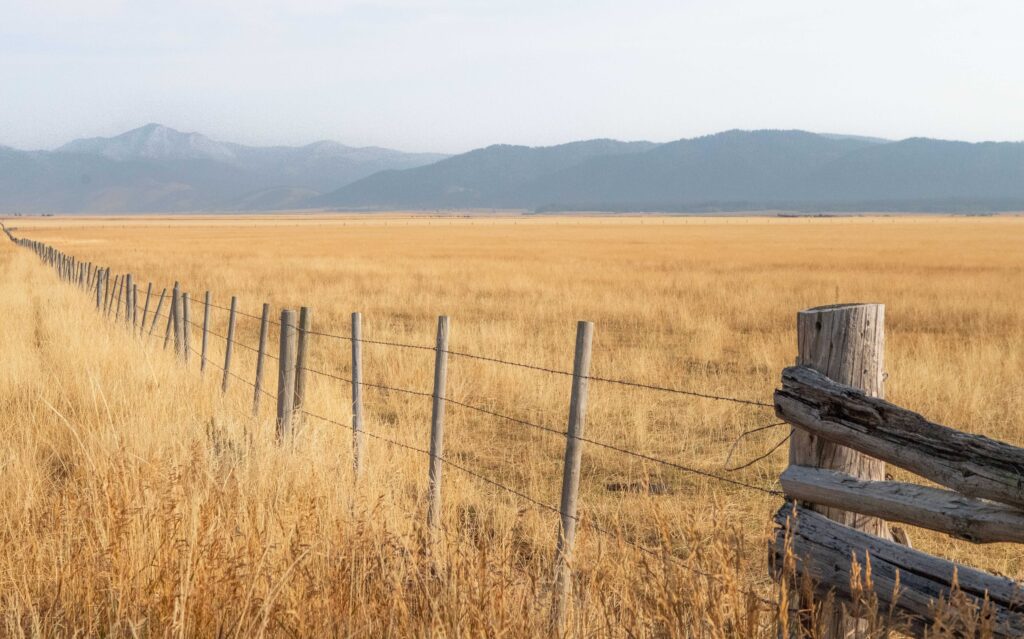
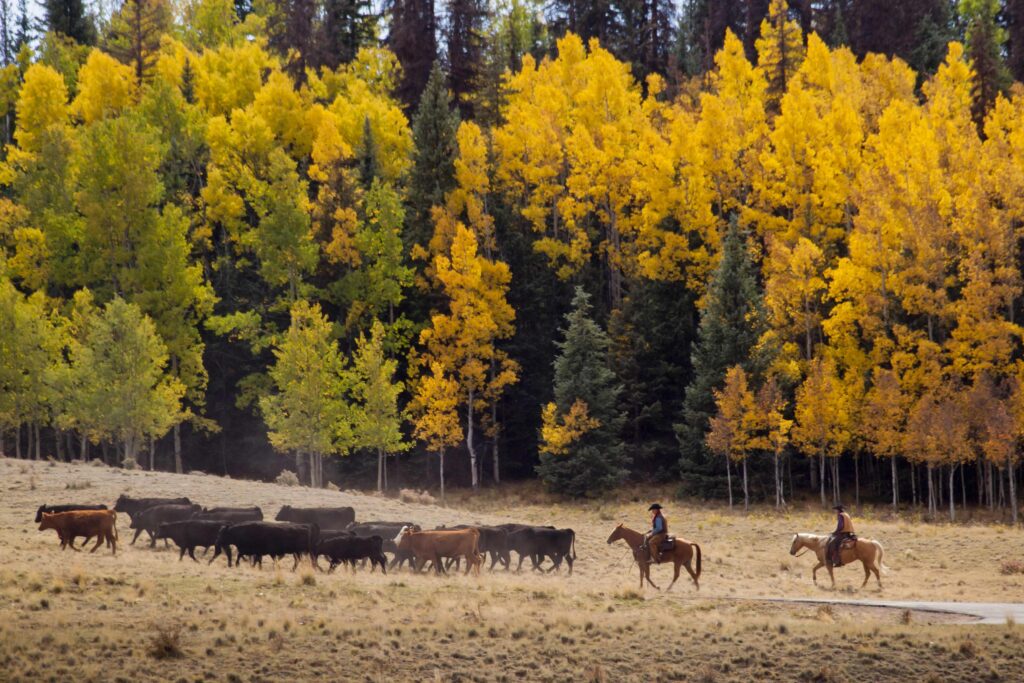
Rural living may or may not involve our common notions of a picturesque countryside. Some of it does not match an idealized societal norm for “picturesque”, but it’s likely to have its own unique aspects of beauty to be savored by those who look for it. In rural environments, people work hard to make a living from the land for which they’re acting as stewards. I focus on agriculture because it’s what I know, and it’s the way of life here in eastern Colorado, but you could be a trapper, a miner, a guide, fisherman, or outfitter. You could be an independently wealthy recluse or someone living off the land simply getting as far from other people as possible.
Agriculture is not a 9-to-5 job. It’s fulltime. Up at 2 AM to assist a cow giving birth. Out in blizzards to make sure your cattle are fed, though you may have to grab hold of a fence on the way to make sure you don’t get lost when you can’t see where you’re going in a whiteout. One day, I drove my pickup truck out in a light snow to feed my cattle at the barn. In the short time it took to throw them some hay, the wind and snow picked up to full-blown blizzard. With no visibility, I miscalculated the 180-degree turn to head back to the house and drove slowly across the field until I came to a barbed wire fence. At first not knowing which fence it was, which direction I had gone, or where I was, I then realized I could discern road fence from cross-fencing from the color of the t-posts. From that, I knew which way to turn to follow the fence around to the gate in the cross-fencing I had driven through, which got me back to the lane leading to the driveway and back to the house. There had never been anything in a lifetime up into young adulthood in the northeast that prepared me for a western blizzard. The absolute disorientation and zero visibility is unfathomable until you find yourself in that situation. It’s not a heavy snow of big flakes and space between the flakes – it’s high wind driving a wall of white you cannot see through. Colorado cities can get heavy snowfalls, and a plane can have zero visibility, but I’ve never seen a zero-visibility blizzard in a city, even in Colorado.
A rural life can be highly dependent on weather. Here, we don’t face doors for barns or houses toward the northwest, because most of the blizzards and winter snowstorms blow from the north northwest. Even then, in a high-wind storm, northerly wind whipping past a south-facing open doorway can generate a partial vacuum that sucks the snow inside the open doorway. In a 2-stall barn in an October blizzard, my four horses stayed in one stall, trampling the snow more than a foot deep onto the dirt floor; the other stall filled with snow up to the 9-foot-high rafters. There are building codes here that require vents in certain places, but blizzards blow snow in through them, which may be worse than having no vent. You may have plans for your day, and have to change them at the last minute to handle issues with livestock or unanticipated weather events. Surprisingly, although your logic is sound, people who haven’t dealt with similar vagaries don’t understand, and they tend to get irritated when you tell them your plans have to change.
Here’s the point I’ve been leading up to: If you have not lived a truly rural life, you probably do not understand rural life. Further, rural living varies from one location to another. From experience, I can say that rural life in the northeastern states does not prepare you for rural life in the plains of eastern Colorado. Remoteness and distances from towns increase, and aspects of the weather are more extreme.
You cannot make informed decisions about something for which you have no understanding. Whether you make laws, interpret them, or vote on them, you need to understand the impact of your decision-making in order to mitigate potential adverse effects on those for whom you choose to legislate.
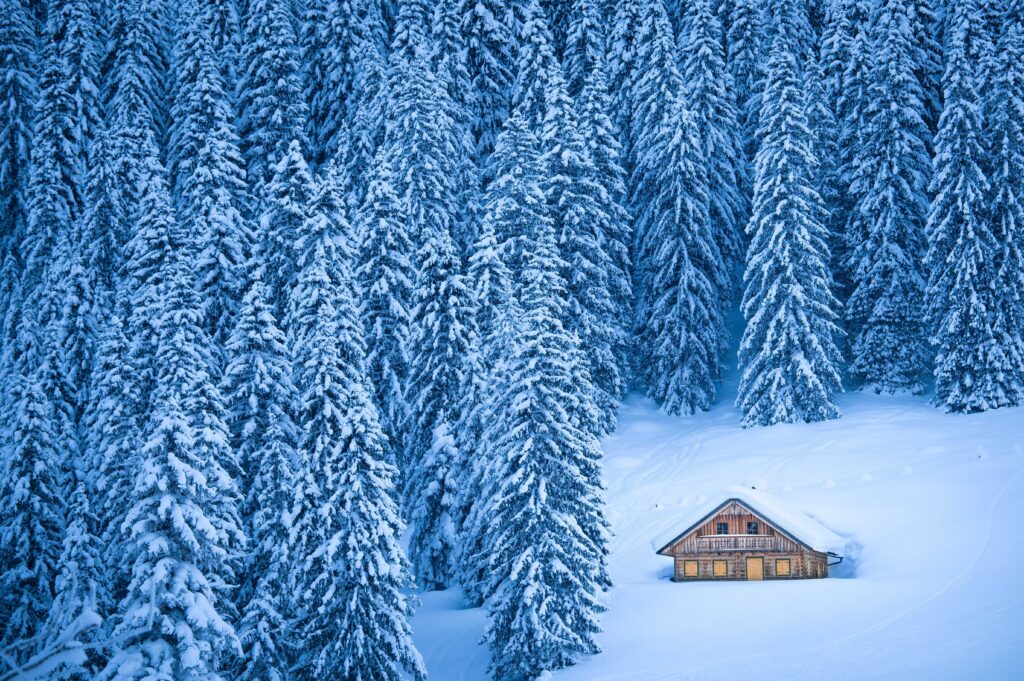
Whether farm, ranch, mountain, desert, forest, prairie, or remote beach, living a rural life means your resources are limited to what you have on hand, what you can haul in yourself, or what someone else will haul in for you. You may be 50 or 100 miles or further from a grocery store, gas station, town, or even source of electricity.
If you live on a ranch 50 miles from a town and a blizzard takes down miles of power poles, you may be left with no electricity for two weeks or more. If you have a herd of cattle, you still need to water those cattle, provide drinking water for yourself, and keep your house above freezing. With no electricity to run a water pump, there should be an alternate means to run the pump, such as a gasoline-powered generator. If you heat with propane, generally the furnace won’t run without power because it requires that the fan run to blow and distribute the hot hair. If a generator is not an alternate source of power, you’ll need an alternate source of heat, such as a woodstove and plentiful supply of wood, a pellet stove with pellets, or propane heaters with plenty of propane on hand. Maybe your homestead runs off of your own solar or wind installation, though most in the US do not. (This would be a good argument for localized generation and use of wind and solar energy from smaller installations, rather than slathering large areas with huge wind and/or solar installations and running hundreds of miles of transmission lines to municipalities where it is actually used. A natural disaster or targeted sabotage is harder to disrupt many smaller, more localized, energy sources than a single huge installation hundreds of miles from where the power is consumed.)
As a lawmaker or a voter in Colorado, if you have not lived in rural Colorado or another western mountain state that has comparable living conditions, you do not possess the experience to make informed decisions about issues that affect our state’s rural residents. If you haven’t raised or worked closely with livestock, you haven’t the experience to make informed, intelligent decisions that affect either livestock or those who raise them. Before casting a vote or proposing, introducing, or sponsoring a bill, there are two solutions to help you make well-informed decisions:
(1) Find a mentor who will train and educate you. Find someone experienced in whatever you may be affecting, and ask them to walk you through whatever is necessary to understand the topic and its issues.
(2) Ask the advice of people who actually do the job or live the life. Not people educated in a particular field, but people who actually live the life. Experts have their place, but experts may either oversimplify, “baffle with bullsh!t”, or skew the information they provide toward their own preferences. Ask more than one person. If you can, get several people together so they all can hear and respond real-time to what the others have to say.
It is becoming increasingly common that out-of-state non-profit organizations work together in a highly litigious manner to force their agendas hither and yon, evidently because they benefit financially, not because it’s in the best interest of their target areas. They may spin information regarding their issue-du-jour to appeal to a naive public for petition signatures toward a ballot initiative and subsequent votes. When it comes to Colorado state issues, if an initiative is proposed, funded, or otherwise supported primarily by out-of-state interests, then ask yourself, and do some research, to ascertain if it is truly in the best interests of Colorado, its residents, its wildlife, and its environment.